Tracing Financial Pathways: Carrier Billing Integrations and Distributed Ledger Settlements in Live Dealer Platforms
Alex Walter · Aug 27, 2026
Tracing Financial Pathways: Carrier Billing Integrations and Distributed Ledger Settlements in Live Dealer Platforms
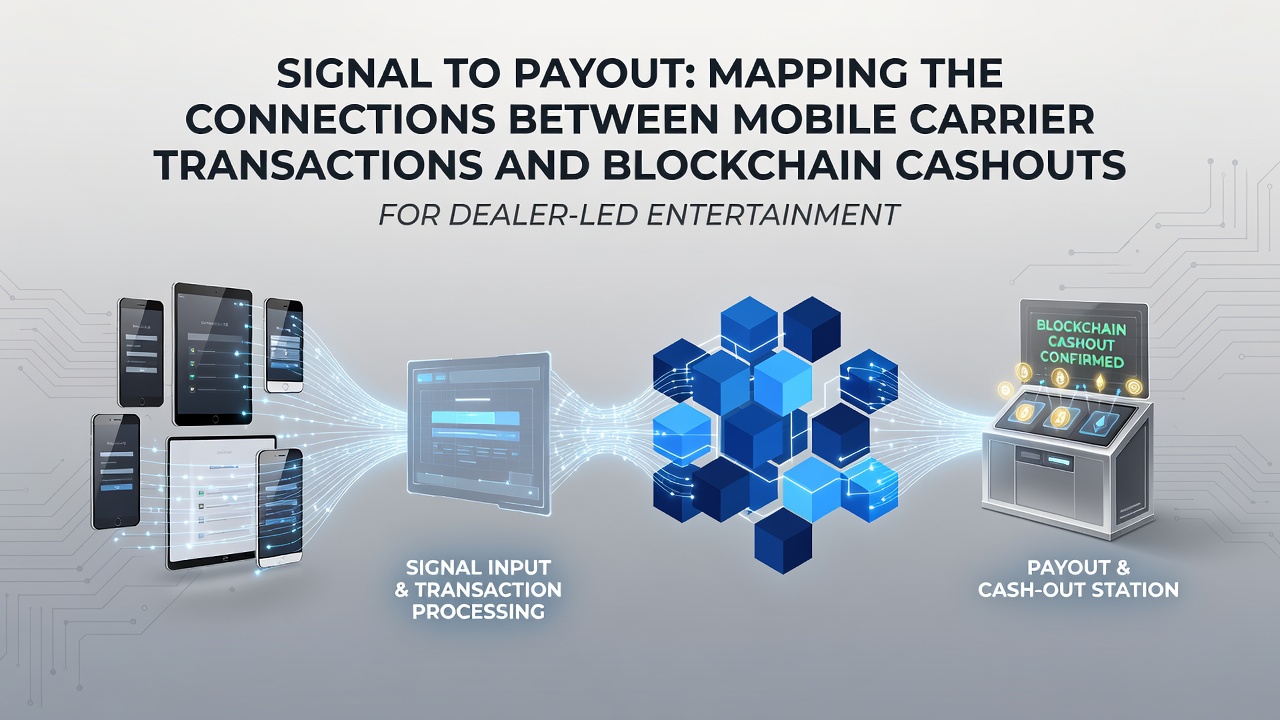
Financial technology intersections continue to evolve as mobile carrier billing systems link directly with blockchain settlement mechanisms in dealer-led entertainment environments, and data from multiple jurisdictions shows these pathways handling increasing transaction volumes through 2026. Observers note that carriers in various regions process deposits via premium SMS or direct operator billing while platforms route corresponding values through distributed ledgers for rapid cashouts, creating end-to-end visibility that regulators and operators track separately.
Studies conducted across North American and European markets indicate that transaction mapping relies on API bridges between telecom infrastructure and smart contract protocols, whereas August 2026 reports from industry research groups highlighted a measurable uptick in settlement speeds when these bridges incorporate real-time reconciliation layers. Those who've examined the infrastructure find that each mobile-initiated deposit generates a unique identifier that propagates through the blockchain, allowing verification without exposing personal details at every hop.
Carrier Transaction Mechanics and Blockchain Anchoring
Mobile operators facilitate deposits by embedding charges within existing phone billing cycles, and the resulting funds transfer to platform wallets that immediately record entries on public or permissioned chains. Research indicates that protocols such as those developed by the GSMA Mobile Money programme enable standardized messaging formats, which platforms convert into tokenized representations for dealer table participation. Experts have observed that these tokenized credits then interact with smart contracts governing live dealer sessions, where outcomes determine subsequent payout instructions.
One documented case involved a Canadian regulatory sandbox that tested carrier-to-chain handoffs, and findings revealed reduced reconciliation times compared with traditional banking rails because each step carries cryptographic proof. Figures from similar pilots in Singapore demonstrate how operator billing APIs feed into nodes that broadcast to multiple ledgers simultaneously, ensuring redundancy while maintaining audit trails that satisfy local compliance frameworks.
Settlement Speed and Verification Patterns
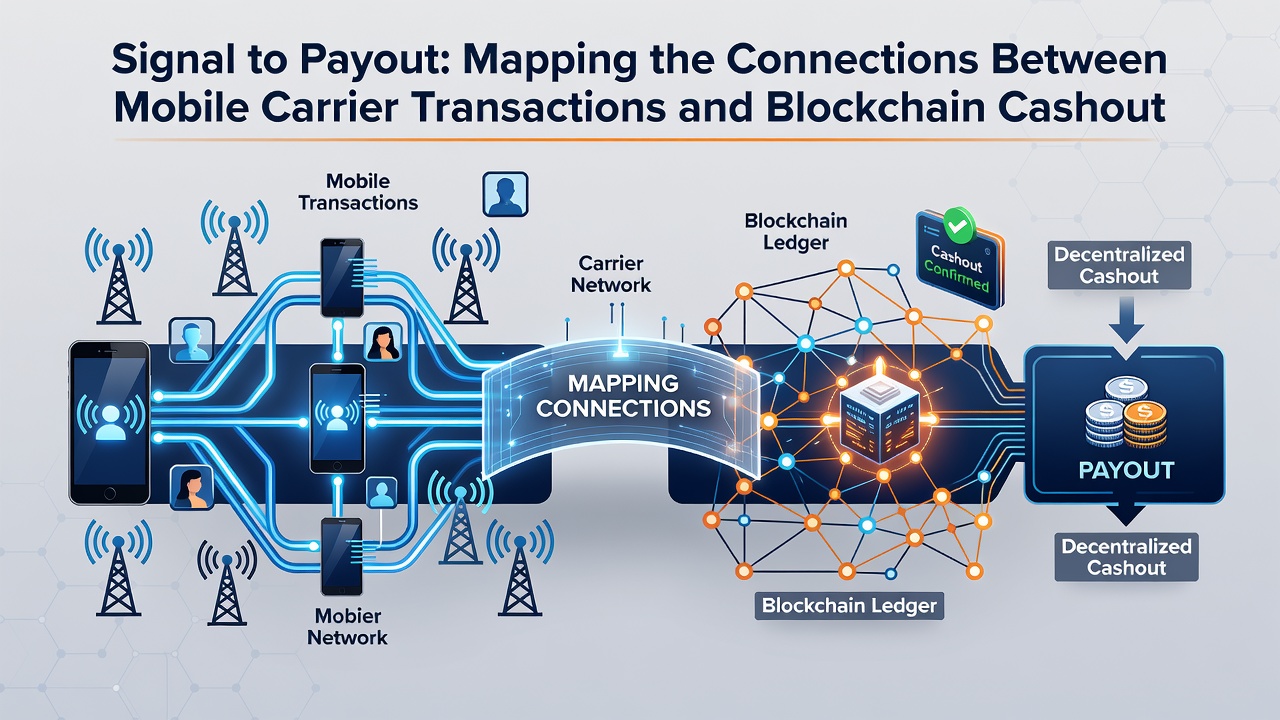
Blockchain cashouts follow once dealer session results finalize, and the same identifier used at deposit stage triggers an automated release from escrow contracts back to carrier accounts or designated crypto addresses. Data released in mid-2026 by an academic consortium at the University of Melbourne shows average completion windows under four minutes for verified flows, while unverified attempts encounter additional confirmation blocks that extend the timeline. Those monitoring these systems note that latency reductions stem from optimized gas fee management on layer-two networks rather than base-layer congestion.
Industry associations such as the European Gaming and Betting Association have compiled comparative datasets across member states, and the records demonstrate consistent patterns where carrier-linked entries correlate with higher payout request volumes during peak evening hours. Analysts point out that the mapping process incorporates timestamp synchronization between telecom records and ledger blocks, which helps identify discrepancies before they escalate into disputes.
Regulatory Considerations Across Regions
Authorities in Australia and parts of the European Union require operators to maintain separate logs for carrier billing versus blockchain activity, and compliance teams routinely cross-reference these logs during periodic reviews. A 2026 position paper from the Canadian Centre for Gaming Research outlined recommended metadata standards that allow seamless sharing with tax authorities without compromising user privacy thresholds. Observers tracking implementation note that these standards emphasize hashed identifiers rather than raw phone numbers, reducing exposure risks while preserving traceability.
Platforms operating across multiple jurisdictions adjust their routing logic according to local mandates, and evidence suggests that modular architecture supports rapid reconfiguration when new reporting obligations emerge. Researchers who reviewed deployment logs found that fallback mechanisms activate automatically when one ledger experiences delays, rerouting through secondary chains without interrupting the dealer session experience.
Conclusion
Mapping exercises between mobile carrier transactions and blockchain cashouts continue to inform infrastructure upgrades in dealer-led entertainment sectors, and ongoing data collection from diverse regulatory environments provides clearer visibility into settlement reliability. Reports scheduled for release later in 2026 are expected to expand on cross-border reconciliation benchmarks, while technical working groups refine API specifications to accommodate emerging carrier and ledger combinations. Those following the sector recognize that sustained coordination among telecom providers, blockchain developers, and oversight bodies remains central to maintaining functional pathways as volumes grow.