Global Audiences Shift Toward Phone Billing for Crypto-Powered Live Dealer Sessions Free of Identity Verification
Alex Lange · Nov 1, 2026
Global Audiences Shift Toward Phone Billing for Crypto-Powered Live Dealer Sessions Free of Identity Verification
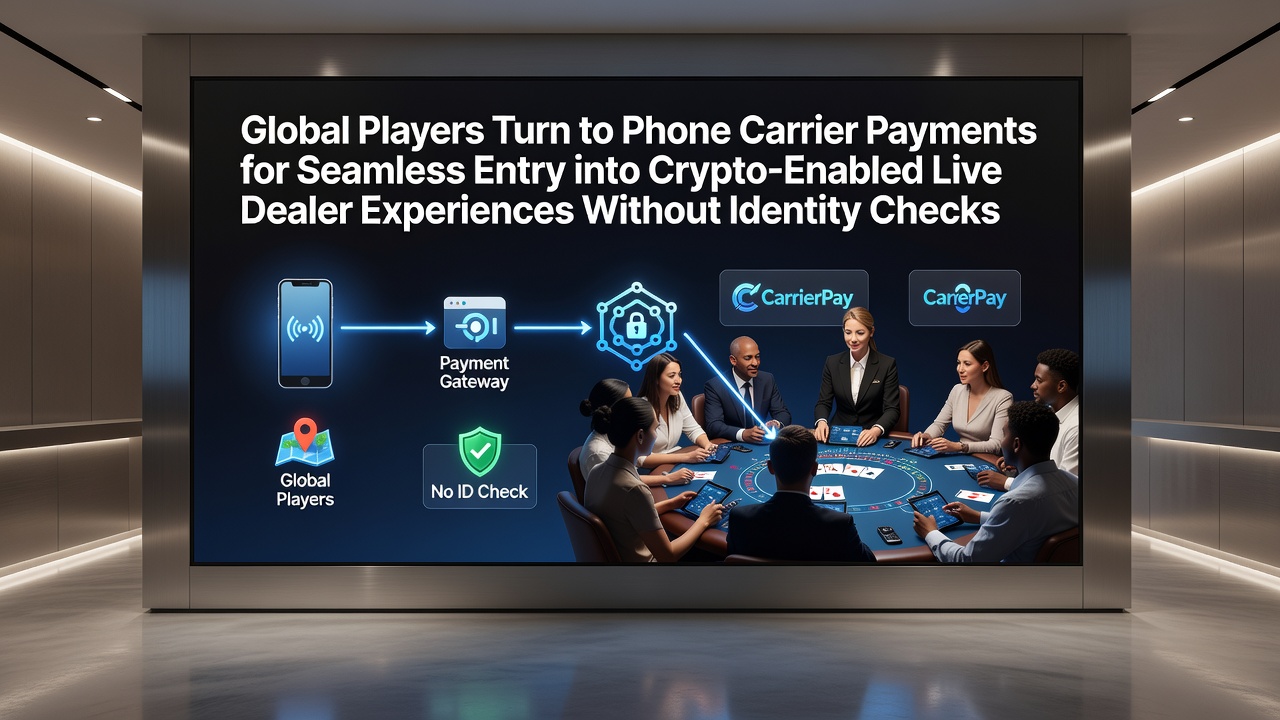
Platforms in multiple regions have expanded options that let users fund accounts through carrier billing while entering crypto-enabled live dealer tables, and these setups often bypass standard identity verification processes. Observers note that this approach combines mobile network charges with blockchain transfers, which creates entry points for participants who seek quick access across borders. Data from payment processors indicates rising transaction volumes in Asia-Pacific markets as well as parts of Latin America and Eastern Europe throughout 2025 and into late 2026.
Carrier Billing Mechanics in Gaming Environments
Phone carrier payments allow direct charges to monthly mobile bills or prepaid balances, and this method integrates with cryptocurrency wallets through intermediary services that convert fiat amounts into tokens such as USDT or BTC. Researchers at payment industry conferences have documented how these gateways process deposits in under 30 seconds on average, which removes the need for bank transfers or card details. In markets where banking restrictions limit traditional funding, carriers provide an alternative that connects directly to operator platforms hosting live dealer streams. Figures from regional telecom reports show adoption rates climbing as operators partner with networks in countries including Singapore, Brazil, and Poland.
Cryptocurrency Integration with Live Dealer Formats
Live dealer experiences rely on real-time video feeds from studios equipped with physical tables, and crypto funding enables instant balance updates that support continuous play across roulette, blackjack, and baccarat variants. According to transaction logs shared at industry events, platforms route carrier deposits into segregated crypto wallets before settling bets on the tables, which maintains separation between payment rails and game outcomes. Those who monitor blockchain activity have tracked increased on-chain volumes linked to live casino operators during peak evening hours in multiple time zones. This setup supports cross-currency conversions that adjust automatically based on exchange rates at the moment of deposit.
Regulatory Variations Across Jurisdictions
Different regulatory bodies apply distinct rules to verification requirements, and some offshore licensing frameworks permit reduced checks when transactions remain below certain thresholds. A 2025 analysis from the Malta Gaming Authority highlighted how carrier billing combined with crypto rails can operate under lighter documentation standards in licensed environments, whereas stricter regimes in parts of North America maintain full KYC protocols. Participants in regions with evolving rules have shifted toward platforms that align with local telecom policies rather than traditional financial oversight. As of November 2026, updates from the Australian Communications and Media Authority reflect ongoing discussions around billing transparency without mandating identity linkage for every micro-transaction.
Market Data and Adoption Patterns
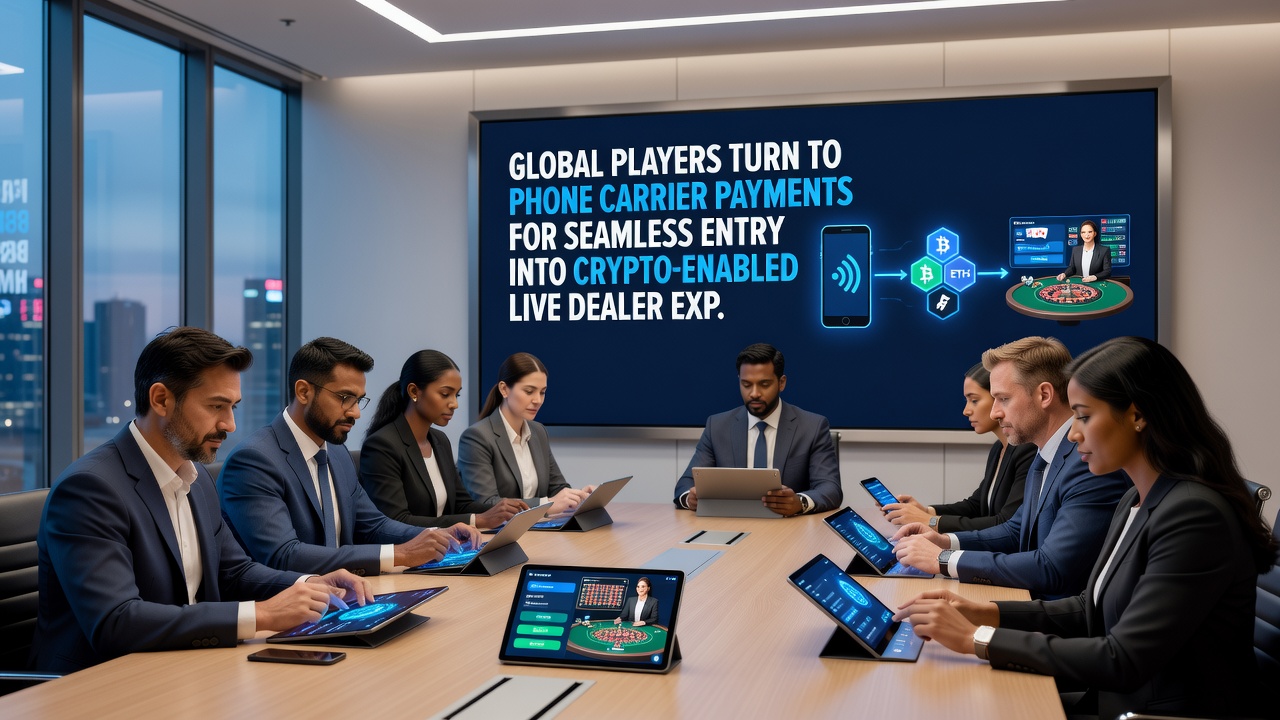
Payment analytics firms report that carrier-funded crypto entries now account for measurable shares of live dealer traffic in select international corridors, with growth concentrated among users who prefer minimal onboarding steps. A study published by the University of Nevada, Las Vegas gaming research group in mid-2026 examined transaction patterns adn found correlations between carrier billing availability and session lengths on crypto tables. Those patterns hold across operators that maintain studios in multiple countries, allowing seamless handoffs between dealer shifts and player time zones. Telecom billing records further indicate that average spend per user stays consistent whether deposits arrive via carrier or direct crypto transfers.
Technical Infrastructure Supporting These Flows
Operators deploy APIs that link carrier gateways to crypto exchanges, and these connections handle real-time conversions while logging activity for compliance audits where required. Security protocols include encrypted session tokens that tie each carrier charge to a temporary wallet address, which reduces exposure compared to persistent account details. Experts in digital infrastructure have observed that latency remains low even during high-volume periods because the system routes through established mobile network switches rather than legacy banking rails. This architecture supports the live dealer component by ensuring balances update before each card or wheel spin.
Conclusion
Global trends show continued expansion of carrier billing paired with crypto options for live dealer access, and these developments follow distinct paths shaped by local telecom rules and licensing frameworks. Data collected through 2026 demonstrates measurable uptake in diverse markets without uniform identity requirements, while technical integrations maintain transaction speed. Regulatory bodies outside the United Kingdom continue to refine approaches that balance consumer access with oversight mechanisms.