From Phone Top-Ups to Dealer Tables: Tracing Transaction Flows in Borderless Casino Environments
Quinn Zimmermann · Aug 23, 2026
From Phone Top-Ups to Dealer Tables: Tracing Transaction Flows in Borderless Casino Environments
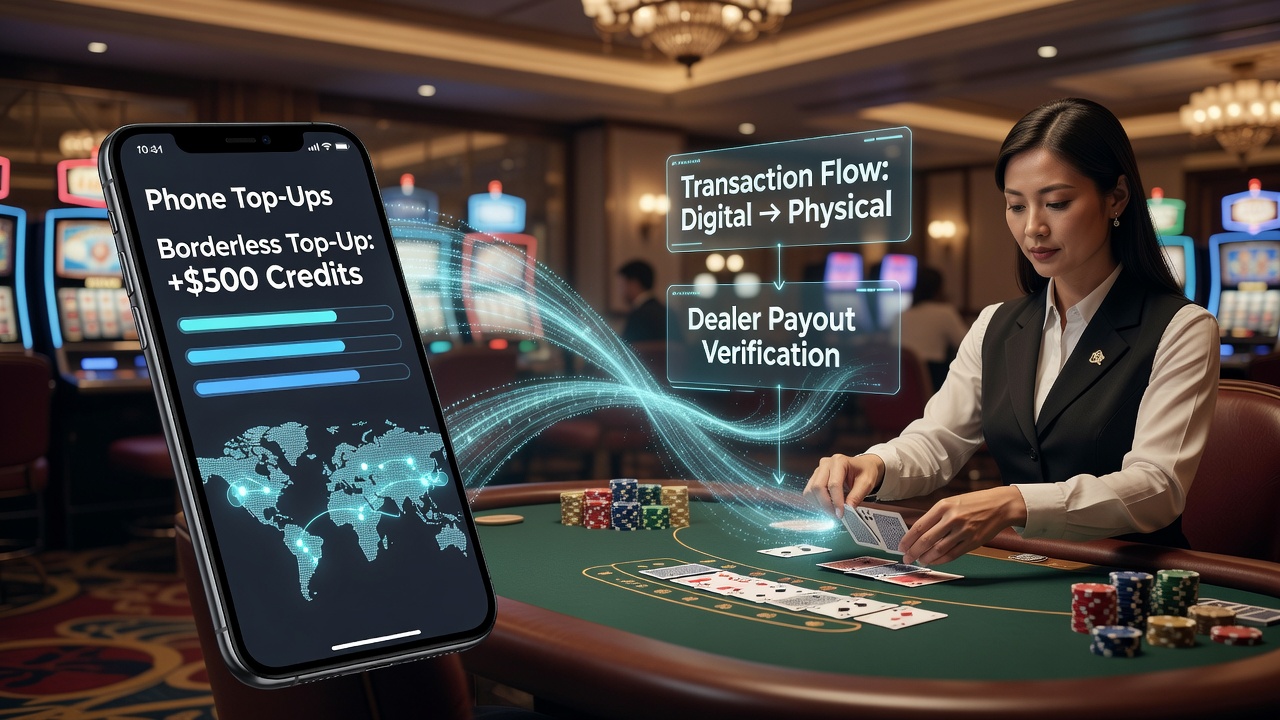
Mobile billing systems allow players to add funds directly through carrier accounts in many offshore platforms, and these transactions often route through third-party aggregators before reaching operator wallets. Data from regulatory bodies in multiple jurisdictions show that phone top-up volumes have increased steadily since 2024, with carriers in Australia and parts of Europe reporting higher premium service traffic tied to entertainment categories. As of August 2026, industry reports indicate that average transaction sizes for such deposits range between 10 and 50 euros per session, though larger amounts require additional verification steps at the aggregator level. Payment processors then convert these credits into platform balances using established clearing houses. The funds move across borders via licensed financial intermediaries that comply with local e-money rules, and operators receive net amounts after fees that typically range from 10 to 15 percent. Observers note that this layered structure creates multiple audit points, yet the final destination remains the player's account on servers located in jurisdictions with permissive gaming statutes.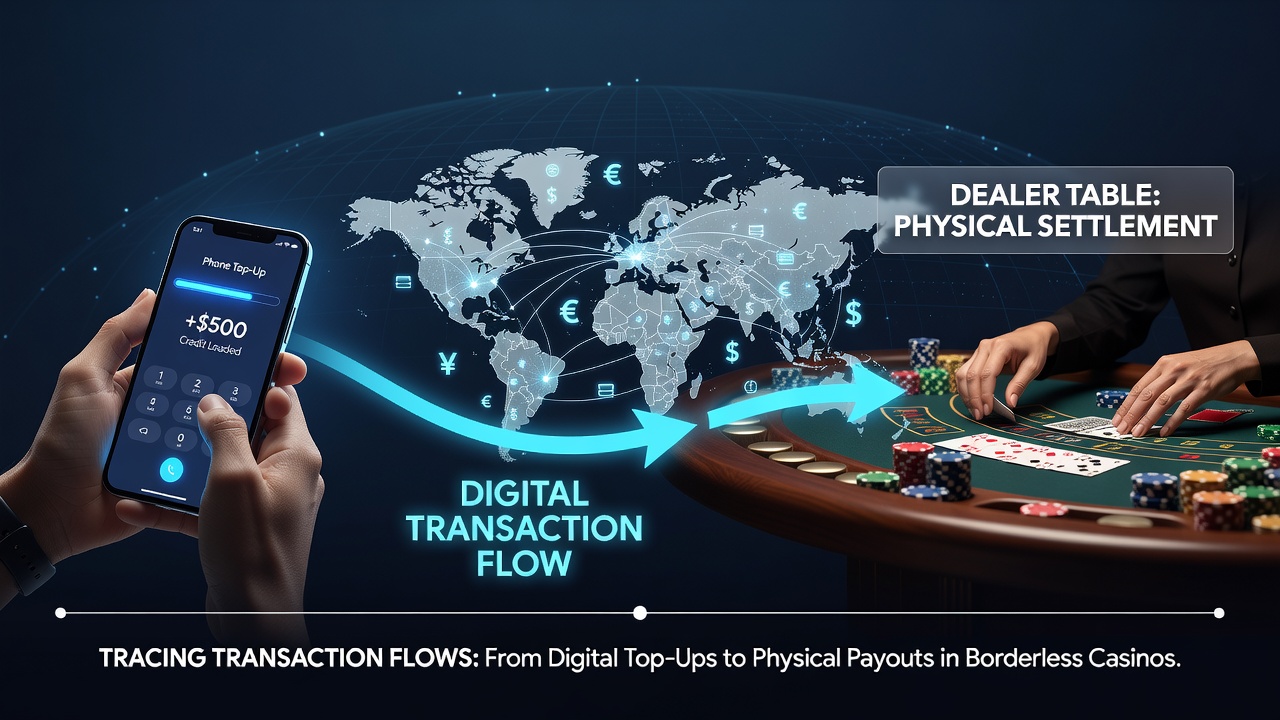 One documented case involved a European player whose 25-euro phone deposit traveled through two aggregators before conversion into a stablecoin amount that funded a roulette session; the entire sequence completed in under 90 seconds. Similar patterns appear across multiple operator reports, where the combination of carrier billing and digital assets reduces friction at the table while still leaving a traceable record for compliance teams.
Mobile billing systems allow players to add funds directly through carrier accounts in many offshore platforms, and these transactions often route through third-party aggregators before reaching operator wallets. Data from regulatory bodies in multiple jurisdictions show that phone top-up volumes have increased steadily since 2024, with carriers in Australia and parts of Europe reporting higher premium service traffic tied to entertainment categories. As of August 2026, industry reports indicate that average transaction sizes for such deposits range between 10 and 50 euros per session, though larger amounts require additional verification steps at the aggregator level. Payment processors then convert these credits into platform balances using established clearing houses. The funds move across borders via licensed financial intermediaries that comply with local e-money rules, and operators receive net amounts after fees that typically range from 10 to 15 percent. Observers note that this layered structure creates multiple audit points, yet the final destination remains the player's account on servers located in jurisdictions with permissive gaming statutes.Integration of Cryptocurrency Channels
Many borderless environments combine phone-funded deposits with cryptocurrency options to facilitate quicker settlement at live dealer tables. Players who start with carrier billing sometimes convert portions of their balance into stablecoins or other digital assets, and these conversions occur through integrated exchange modules within the platform software. Research from academic studies on digital asset flows highlights that transaction ledgers record these shifts within seconds, allowing immediate use in table games that accept crypto stakes. According to figures published by the Australian Communications and Media Authority, premium billing services processed over 2.3 million transactions in the gambling-adjacent category during the first half of 2026. The same data set shows that a growing share of these credits later appeared in crypto withdrawal requests, illustrating a hybrid flow pattern where initial mobile deposits feed into faster settlement rails.Live Dealer Table Settlement Mechanics
Live dealer environments require real-time balance updates because table minimums and maximums change rapidly during play. When a player places a bet funded partly by phone top-ups and partly by converted crypto, the platform's backend matches the wager against the combined ledger entries before the dealer reveals the outcome. This matching process relies on API connections between the billing aggregator, the crypto wallet provider, and the game server, all of which operate under service-level agreements that specify sub-second response times.
One documented case involved a European player whose 25-euro phone deposit traveled through two aggregators before conversion into a stablecoin amount that funded a roulette session; the entire sequence completed in under 90 seconds. Similar patterns appear across multiple operator reports, where the combination of carrier billing and digital assets reduces friction at the table while still leaving a traceable record for compliance teams.